Foundation Settlement and How Repairs Restore Stability
Homeowners seeking to fix foundation settlement and how repairs restore stability can connect with local contractors who specialize in restoring foundation support and preventing further damage.
Understanding foundation settlement and how repairs restore stability is essential for property owners facing structural concerns. When the ground beneath a building shifts or sinks over time, it can lead to uneven floors, cracked walls, and other signs of foundation movement. Recognizing these issues early and exploring repair options can help maintain the safety and value of a property. Local contractors experienced in foundation repair can assess the situation and recommend practical solutions to restore the building’s stability, giving owners peace of mind.
Many property owners in the area seek information about foundation settlement because it can impact the long-term integrity of their homes or commercial buildings. Soil conditions, water drainage, and aging construction are common factors that contribute to foundation movement. Fortunately, local service providers specializing in foundation repairs have the expertise to address these challenges effectively. Continuing to learn about how settlement affects structures and the repair methods available can empower property owners to make informed decisions about protecting their investments.
- Foundation settlement repair services are often needed when signs of uneven floors or cracked walls appear, and local contractors evaluate the extent of the settlement to determine appropriate stabilization methods. Soil stabilization and underpinning are common approaches used by service providers to restore foundation stability and prevent further movement. When foundation issues threaten structural integrity, local pros implement tailored repair solutions to reinforce the foundation and support the building’s weight. For homes experiencing shifting or sinking, foundation repair specialists assess the cause and use techniques like piering or mudjacking to restore levelness. These services help protect property value and ensure long-term stability by addressing foundational movement at its source.
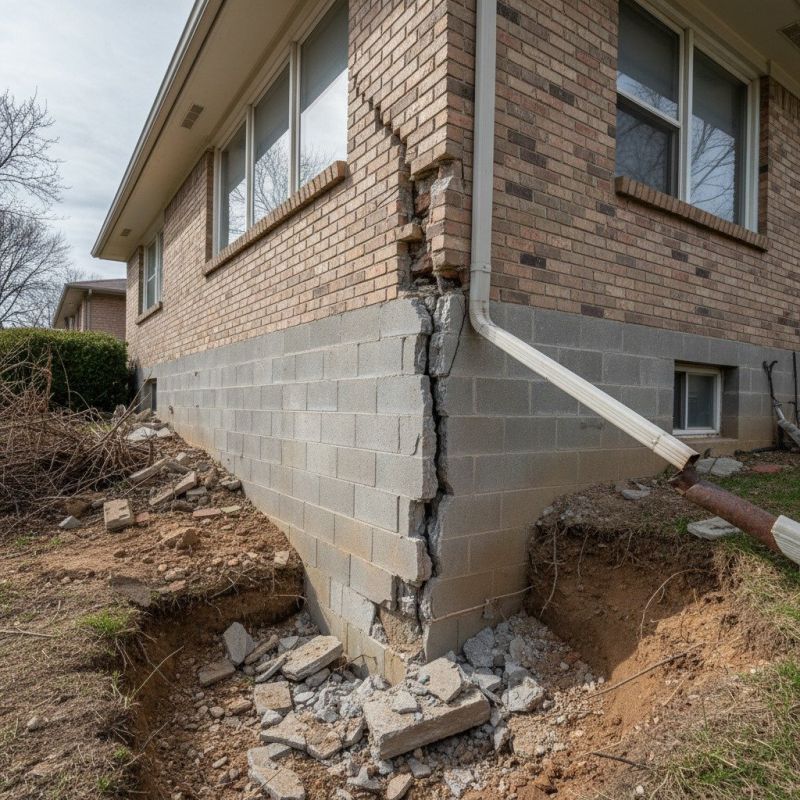
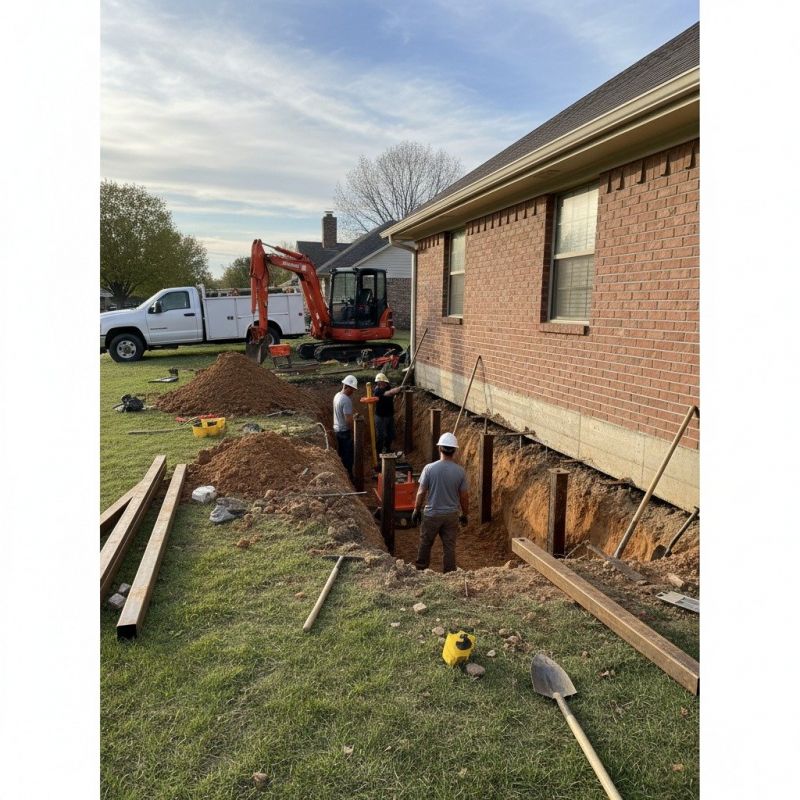
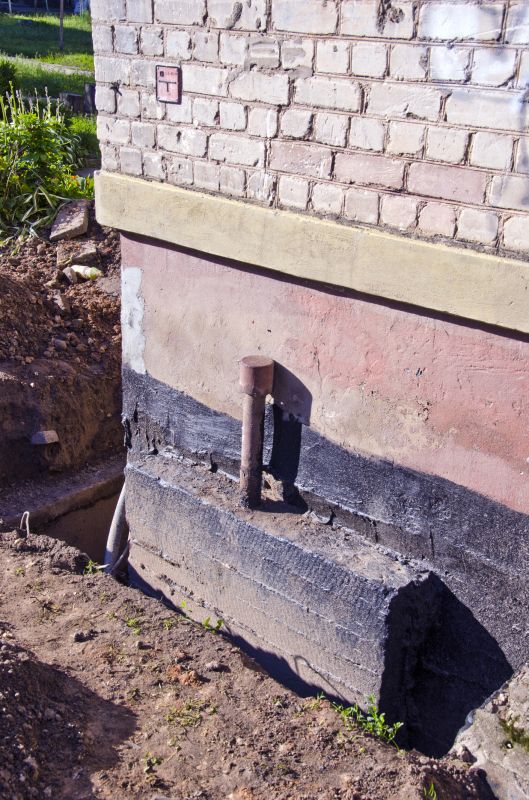
Foundation settlement and how repairs restore stability is a common concern among homeowners experiencing uneven floors, cracked walls, or doors that no longer close properly. When the ground beneath a property shifts or sinks over time, it can cause the foundation to move, leading to structural issues that threaten the safety and integrity of the entire building. People searching for this topic often want to understand why their property is experiencing these symptoms and how repairs can address the root causes. Recognizing that foundation settlement is a natural but manageable problem helps homeowners appreciate the importance of professional assessment and intervention to prevent further damage.
The scope of foundation settlement and how repairs restore stability typically relates to a variety of property types, including residential homes, townhouses, and small commercial buildings. These structures are built on different types of soil, such as clay, silt, or fill dirt, which can be prone to shifting or shrinking due to moisture changes or natural settling. Common problems associated with settlement include cracked walls, uneven floors, sticking doors and windows, and visible gaps around the foundation or basement. Repair plans often involve stabilizing the foundation through methods like underpinning, piering, or slab jacking, which help lift and reinforce the structure to prevent further movement.
For homeowners, understanding how foundation repairs work is key to seeing the connection between the problem and its solution. When local contractors perform foundation settlement repairs, they typically use techniques designed to restore the original position of the foundation and stabilize the ground beneath it. These repairs can involve installing supports such as helical piers or push piers that transfer the weight of the building to more stable soil layers. By doing so, these repairs effectively halt ongoing movement, reduce stress on the structure, and help prevent future issues. This process not only improves safety but also preserves the value and usability of the property.
Connecting with experienced service providers is essential for addressing foundation settlement and restoring stability. Local pros understand the specific soil and environmental conditions in the area and can recommend the most suitable repair solutions. They assess the extent of settlement, identify underlying causes, and develop tailored plans to reinforce the foundation properly. Whether dealing with minor shifts or significant sinking, these professionals can help restore a property’s stability, ensuring that it remains safe, functional, and structurally sound for years to come.
Soil Stabilization Projects - these projects involve techniques to improve soil conditions, which is essential for preventing foundation settlement and restoring stability.
Retaining Wall Installations - installing retaining walls requires understanding soil pressure and movement, similar to foundation repair planning and execution.
Basement Waterproofing - waterproofing efforts often address underlying soil issues that contribute to settlement and help maintain structural stability.
Pier and Beam Foundation Lifting - lifting and leveling piers are common in foundation repair to correct settlement and ensure long-term stability.
Concrete Piering and Underpinning - these methods involve installing supports beneath foundations, directly related to restoring stability after settlement.
Drainage System Installation - proper drainage management reduces soil movement and moisture issues that can lead to foundation settlement, making it a relevant service for stability restoration.
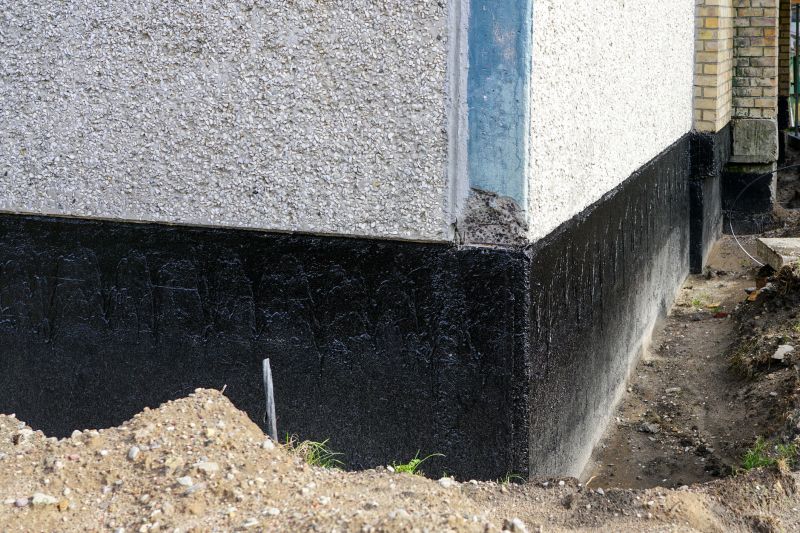
When evaluating service providers for foundation settlement repair and how repairs restore stability, it is important to consider their experience with similar projects. Homeowners should inquire about the types of foundation issues the contractor has addressed in the past and whether they have successfully handled cases comparable to their own. A contractor’s familiarity with local soil conditions, foundation types, and common settlement challenges can provide insight into their ability to develop effective solutions. This background helps ensure that the contractor understands the specific nuances of foundation repair in the area, which can contribute to a more reliable and durable outcome.
Clear, written expectations are essential when comparing local contractors for foundation settlement services. Homeowners should seek detailed proposals that outline the scope of work, the methods to be used, and the projected results. Having this information in writing helps prevent misunderstandings and provides a basis for comparing different service providers objectively. It also allows homeowners to evaluate whether the proposed approach aligns with their needs and expectations, ensuring transparency throughout the repair process. Well-documented expectations can make the entire project more manageable and provide clarity on what to anticipate during and after repairs.
Reputable references and effective communication are key factors when choosing a foundation repair contractor. Homeowners should ask for references from past clients who had similar work done and inquire about their experiences. This feedback can offer insights into the contractor’s professionalism, reliability, and quality of work. Additionally, good communication throughout the project is vital; homeowners should feel comfortable asking questions and receiving timely, clear responses. A contractor who maintains open lines of communication and provides trustworthy references demonstrates a commitment to transparency and customer satisfaction, which can contribute to a smoother repair process and a more confident decision.
Property owners often search for foundation settlement and how repairs restore stability when they are planning practical projects around their homes and businesses. Local pros provide Foundation Settlement Repair services for everyday jobs and straightforward project options.
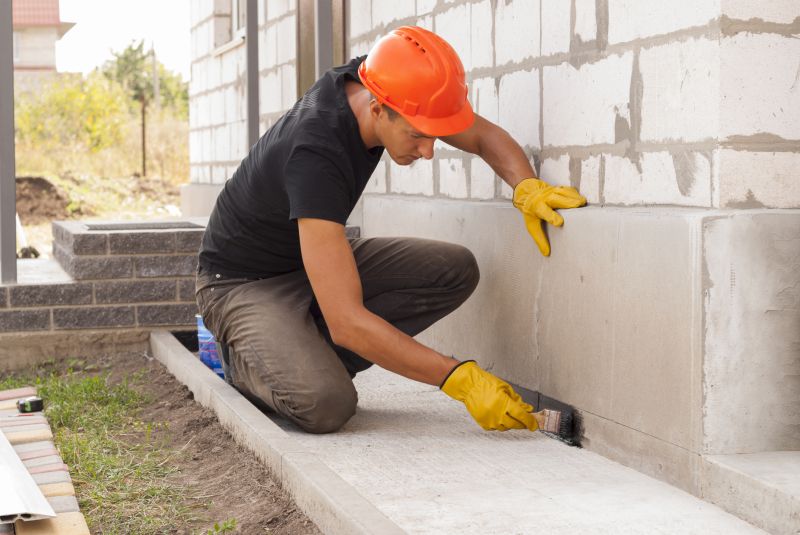
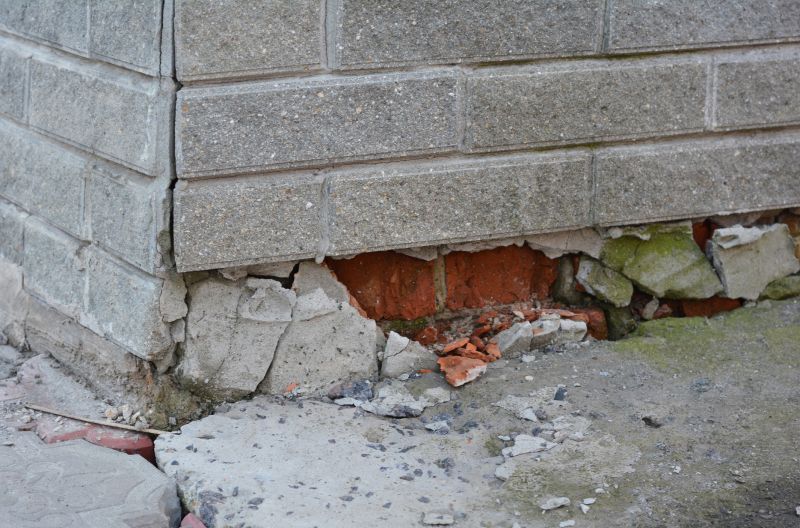
Foundation settlement can often become a concern for property owners experiencing uneven floors, cracked walls, or doors that no longer close properly. These signs may indicate that the soil beneath the foundation has shifted or compacted over time, leading to instability. When such issues arise, local contractors specializing in foundation repair can assess the situation and recommend appropriate solutions to restore stability. Repair methods may involve underpinning, piering, or other techniques designed to stabilize the structure and prevent further movement, helping to maintain the property's safety and integrity.
Many property owners seek foundation settlement repair services to address ongoing concerns or to prevent future problems. Restoring stability through professional repairs can help protect the value of the property and provide peace of mind. Local service providers are experienced in handling these situations, offering solutions tailored to the specific conditions of each property. By connecting with these experts, property owners can ensure that foundation issues are addressed effectively, supporting the long-term durability of their homes or buildings.
What causes foundation settlement? Foundation settlement occurs when the soil beneath a structure shifts or compresses, often due to changes in moisture levels, soil type, or poor initial construction, leading to instability.
How do foundation repairs restore stability? Foundation repairs typically involve techniques like underpinning or piering to lift and stabilize the foundation, effectively addressing settlement and preventing further movement.
What signs indicate foundation settlement? Common signs include uneven floors, cracked walls, sticking doors or windows, and visible cracks in the foundation or exterior walls.
Can foundation settlement be fixed without extensive reconstruction? Yes, many local contractors use targeted repair methods such as pier systems or soil stabilization to restore stability without requiring complete reconstruction.
How do local service providers determine the best repair approach? They assess the extent of settlement through inspections and soil analysis to recommend the most effective repair solutions tailored to the specific situation.
Assessing foundation issues - property owners can identify early signs of settlement and plan repairs with guidance from local contractors.
Choosing repair methods - understanding different foundation repair options helps property owners select the best solutions for restoring stability.
Scheduling repairs - coordinating with local service providers ensures timely foundation stabilization for ongoing property safety.
Preventing future settlement - implementing recommended maintenance and monitoring strategies can help maintain foundation integrity over time.
If you are thinking about foundation settlement and how repairs restore stability for a property, this guide is meant to help you understand this topic, the typical project types, and how different options might fit your plans.
When you are ready, you can use the quote form on this page to share a few details about your project. From there, local pros can review the basics and follow up with options that match what you have in mind.